
circuit board assembly impact product time-to-market
The impact of circuit board assembly on product time-to-market is a critical consideration in the electronics manufacturing industry. This process, which involves populating a printed circuit board (PCB) with electronic components to create functional circuits, plays a pivotal role in determining how quickly a new electronic product can move from concept to consumer. Several key factors illustrate how efficient circuit board assembly can significantly shorten the time-to-market for products.
First, the complexity of the design and assembly process directly influences the development timeline. Modern electronics often require sophisticated PCBs with multiple layers, miniaturized components, and intricate connections. Advanced design software and automated assembly techniques, such as Surface Mount Technology (SMT) and Through-Hole Technology (THT), are essential to manage this complexity. These technologies enable rapid and precise placement of components, reducing manual intervention and the potential for errors. Consequently, efficient design and assembly tools can accelerate the initial production phases, ensuring quicker prototyping and testing.
Second, the integration of Design for Manufacturability (DFM) principles into the circuit board assembly process can drastically reduce production time. DFM involves designing PCBs in a way that simplifies manufacturing and assembly. By considering factors such as component placement, ease of soldering, and accessibility for testing, engineers can create designs that are more straightforward to assemble and less prone to defects. This foresight minimizes the need for revisions and rework, which can significantly delay product launch. Effective DFM practices ensure that once a design is finalized, it can proceed smoothly through the assembly line, shortening the overall product development cycle.
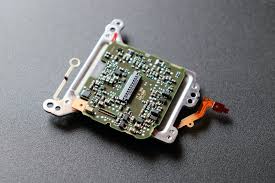
How does circuit board assembly impact product time-to-market?
Third, the choice of materials and components impacts the assembly process and time-to-market. Selecting readily available, high-quality components can prevent delays associated with supply chain disruptions or quality control issues. Additionally, using standardized components can streamline the assembly process, as these parts are typically easier to source and integrate. Manufacturers that maintain strong relationships with reliable suppliers can benefit from faster turnaround times for component delivery, reducing potential bottlenecks in the assembly process.
Moreover, the deployment of automated testing and quality assurance procedures during circuit board assembly is crucial for ensuring reliability and reducing time-to-market. Automated optical inspection (AOI) and in-circuit testing (ICT) can quickly identify defects and performance issues, enabling immediate rectification. This automation reduces the time spent on manual inspections and rework, ensuring that only functional and reliable boards proceed to the next stages of production. Fast and accurate testing contributes to a smoother production flow and quicker product release.
Finally, collaboration and communication between design, engineering, and manufacturing teams are essential for an efficient assembly process. Early and continuous collaboration helps identify potential design and assembly issues before they become significant problems. Cross-functional teams can work together to optimize the design for assembly, address manufacturing challenges, and implement solutions swiftly. This synergy not only enhances the quality of the final product but also accelerates the overall development timeline.
In conclusion, the impact of circuit board assembly on product time-to-market is multifaceted, involving design complexity, manufacturability, component selection, automated testing, and team collaboration. By optimizing each of these areas, manufacturers can streamline the assembly process, reduce production time, and bring new electronic products to market more quickly. In the fast-paced electronics industry, where being first to market can provide a significant competitive advantage, efficient circuit board assembly is a crucial factor in achieving success.


