
flex PCBs be used in stretchable batteries
Flex PCBs are widely used in electronic devices, particularly portable electronics such as laptop computers and tablets. They’re also found in medical equipment, communication products, and automotive electronics. The growing popularity of EVs, which rely on complex battery systems, has driven demand for flexible printed circuit boards.
Because flex pcbs can bend and stretch more easily than rigid ones, they’re better able to resist vibrations and mechanical stress. This is a critical factor when designing power batteries for electric vehicles, which are subjected to continuous movements and vibrations. The flexibility of a flex circuit helps to minimize vibration-induced failures and reduce maintenance costs.
Using a rigid-flex board, however, could require the use of stiffeners to limit strain on the connections between the board and the components. Stiffeners can add to the thickness of the device, making it difficult to fit them into small spaces. This is why most wearables take a modular approach and combine a small rigid board with the necessary electronics into a larger, flexible casing.
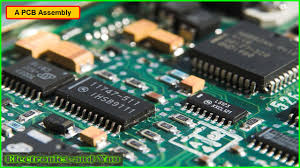
Can flex PCBs be used in stretchable batteries?
Rigid-flex circuits can be designed with integrated sensors and connectors, reducing the number of interconnections and potential points of failure. This increases product reliability and efficiency, while lowering manufacturing costs and assembly time. In addition, the integration of sensor and integrated circuits in a single, cohesive unit also aligns with the trend towards more environmentally friendly practices in the electronics industry.
The design of a flex circuit begins with the selection of the base raw material, which is usually either PI or PET film or thin flexible-epoxy and glass-fiber substrates. A flexible solder mask is then applied to protect the conductive copper from corrosion and short circuits, just as a solder mask would on a rigid PCB. The traces on the PCB are then copper-plated, and holes are drilled using precision drilling machines to prepare them for surface-mount technology (SMT) component placement. After the components are placed, the PCB undergoes reflow soldering to establish electrical connections between them.
Using a flexible-printed circuit board can help EV manufacturers meet the increasingly stringent requirements for reliability. Whether an EV is designed for passenger or cargo transport, it must be able to withstand constant vibrations and temperature fluctuations, as well as environmental factors such as rain and snow. The flexible nature of a flex circuit can make it more resilient to these stresses than its rigid counterparts, allowing for higher performance and longer lifespans.
The emergence of EVs has prompted many companies to adopt the use of flexible printed circuits, which can be easily adapted to the dynamic environment of a car’s chassis and bodywork. As the EV market continues to grow, these versatile components will likely become more common in all types of electronics. Their unique ability to withstand repeated bending and flexing has opened up new possibilities for advanced battery monitoring and control. This will increase vehicle safety and user experience, while reducing maintenance costs and extending the lifespan of the battery system.


