
Can pcb production and assembly be used
Printed Circuit Boards (PCBs) play a pivotal role in powering electronic devices across a wide spectrum of applications. However, not all environments are conducive to the longevity and reliability of standard PCBs. Harsh environments, characterized by extreme temperatures, humidity, vibration, and exposure to chemicals or contaminants, pose significant challenges to the performance and durability of PCBs. Despite these challenges, PCB production and assembly can be tailored to withstand the rigors of harsh environments through careful design, material selection, and manufacturing techniques.
One of the key considerations in deploying PCBs in harsh environments is selecting suitable materials that can withstand the specific challenges posed by the operating conditions. High-temperature substrates, such as ceramic or polyimide, offer superior thermal stability and resistance to temperature extremes, making them ideal for applications exposed to high temperatures or rapid thermal cycling. Additionally, protective coatings and encapsulation materials, such as epoxy resin or silicone, provide a barrier against moisture, chemicals, and mechanical stress, enhancing the resilience of PCBs in harsh environments.
Furthermore, the design of pcb production and assembly for harsh environments must take into account the unique challenges posed by vibration, shock, and mechanical stress. Reinforced substrate materials, such as fiberglass-reinforced epoxy (FR4) with increased thickness or metal-core PCBs, offer enhanced mechanical strength and rigidity, reducing the risk of delamination or damage due to mechanical stress. Additionally, advanced mounting techniques, such as conformal coating or potting, provide additional support and vibration damping to mitigate the effects of mechanical shock and vibration.
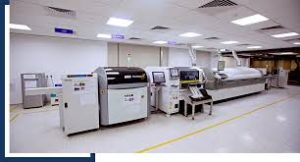
Can pcb production and assembly be used in harsh environments?
Incorporating ruggedized components and connectors is essential for ensuring the reliability and longevity of PCBs in harsh environments. Components rated for wide temperature ranges, high shock and vibration resistance, and protection against moisture ingress are preferred for applications exposed to extreme conditions. Moreover, specialized connectors with robust sealing mechanisms, such as waterproof or hermetically sealed connectors, provide a reliable interface while safeguarding against moisture and contaminants.
The assembly process also plays a crucial role in enhancing the durability of PCBs for harsh environments. Advanced soldering techniques, such as selective soldering or robotic soldering, ensure strong and reliable connections that withstand thermal cycling and mechanical stress. Additionally, conformal coating or potting materials are applied to protect sensitive components and traces from moisture, chemicals, and mechanical damage, prolonging the operational lifespan of the assembled PCB.
Furthermore, rigorous testing and validation are essential to ensure the reliability and performance of PCBs in harsh environments. Environmental testing, including temperature cycling, humidity testing, salt spray testing, and vibration testing, simulates real-world operating conditions to assess the resilience of PCBs to environmental stressors. Additionally, functional testing under extreme conditions verifies the functionality and reliability of the assembled PCBs, providing confidence in their performance in harsh environments.
In conclusion, PCB production and assembly can indeed be tailored to withstand the challenges posed by harsh environments through careful design, material selection, and manufacturing techniques. By leveraging ruggedized materials, robust design practices, and advanced assembly processes, manufacturers can develop PCBs that deliver reliable performance and longevity in the face of extreme temperatures, humidity, vibration, and exposure to chemicals or contaminants. Whether deployed in automotive, aerospace, industrial, or outdoor applications, PCBs engineered for harsh environments play a critical role in enabling innovation and reliability in electronic systems.


