
fiducial markers used in PCB fabrication and assembly
Fiducial markers are small reference points used in PCB fabrication and assembly to ensure the accuracy and alignment of components during the manufacturing process. These markers play a crucial role in the production of high-quality PCBs by helping machines and assembly lines maintain precise positioning and alignment, which is essential for creating reliable and functional electronic circuits. In the fabrication and assembly process, the placement of components on the PCB needs to be incredibly accurate, and fiducial markers help achieve this precision.
In PCB fabrication, fiducial markers are typically placed on the board during the design phase, usually in the form of small, distinct shapes like circles or crosses. These markers are strategically positioned on the PCB to ensure that the automated machines, such as pick-and-place machines, can accurately identify the position of the PCB. The fiducial markers serve as reference points for these machines to align components correctly, especially in cases where the board is densely populated or contains intricate designs. They provide a point of reference for the machine’s vision system to detect and adjust for any small misalignments that may occur during the fabrication process.
Fiducial markers are particularly important in surface mount technology (SMT), a popular assembly method used in modern PCB manufacturing. SMT involves placing tiny components directly onto the surface of the PCB, often using automated pick-and-place machines. These components must be placed with great accuracy to ensure that they connect properly to the board’s traces and pads. Since the components are often very small, even a slight misalignment can lead to defects such as poor solder joints or short circuits. By using fiducial markers, the machine can ensure that the components are placed in the correct position, reducing the likelihood of such errors.
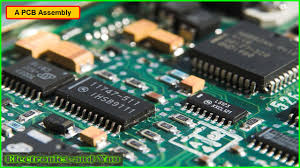
How are fiducial markers used in PCB fabrication and assembly?
During PCB assembly, the fiducial markers also help during the soldering process. For example, in the reflow soldering process, where heat is applied to melt solder paste and form connections, the fiducial markers help the system align the board precisely within the reflow oven. This ensures that the components remain properly positioned as the board is heated, reducing the risk of misalignment during the soldering phase. The markers are also used in other soldering methods, such as wave soldering, to help with the accurate placement of components before soldering.
In addition to alignment, fiducial markers also help during the inspection and testing stages of pcb fabrication and assembly. After the assembly process, the PCB undergoes visual inspections and automated optical inspection (AOI) to check for defects such as misaligned components, soldering issues, or missing parts. The fiducial markers provide a reference for the AOI machines to analyze the position of components on the PCB and detect any deviations from the intended design. This ensures that only high-quality PCBs make it to the final stage, minimizing the risk of failure in the final product.
In some advanced PCB designs, especially those used in high-precision applications, the fiducial markers can be placed in more than one location on the board. This redundancy ensures that even if one marker is damaged or obscured, others will still provide a reliable point of reference for alignment. This is particularly important in large, complex boards where multiple markers may be required to ensure consistent alignment across different parts of the board.
In conclusion, fiducial markers are an integral part of the PCB fabrication and assembly process, playing a critical role in ensuring the accuracy and precision of component placement. By providing reference points for alignment, these markers help automated machines maintain proper positioning during fabrication, soldering, and inspection. Their use improves the quality of the final product, reduces errors, and ensures that the PCB functions as intended in its end application. Whether for simple boards or complex, high-density designs, fiducial markers help achieve the high level of precision required in modern electronics manufacturing.


