
environmental benefits of using a flexible circuit board
The environmental benefits of using flexible circuit boards are increasingly becoming a significant consideration in the electronics industry, particularly as companies strive to adopt more sustainable practices. Flexible circuit boards, which are typically made from lightweight materials and designed for efficient space utilization, offer several advantages that contribute to environmental sustainability.
One of the primary benefits is their reduced material usage compared to traditional rigid circuit boards. Flexible circuits can integrate multiple functions into a single board, minimizing the need for additional components such as connectors and wires. This consolidation not only lowers the amount of raw materials required for production but also reduces waste generated during manufacturing, making flexible circuit board a more environmentally friendly option.
Another environmental advantage of flexible circuit boards is their potential for lower energy consumption during production. The manufacturing processes for flexible circuits often require less energy compared to those for rigid boards. The simplified design and fewer components associated with flexible circuits lead to a decrease in energy-intensive processes such as soldering and assembly. Furthermore, many manufacturers are adopting eco-friendly practices and materials in the production of flexible circuit boards, such as using lead-free solder and recyclable substrates. These practices not only reduce the carbon footprint associated with manufacturing but also contribute to a more sustainable lifecycle for electronic products.
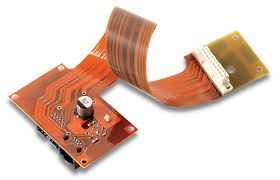
What are the environmental benefits of using a flexible circuit board?
Flexible circuit boards also have a positive impact on product longevity and reliability, which are essential factors in reducing electronic waste. These boards are designed to withstand bending and flexing, making them less prone to mechanical failure. Their durability means that devices using flexible circuits can have longer lifespans, thereby reducing the frequency of replacements. This is particularly important in the context of electronic waste, as longer-lasting products help mitigate the growing problem of e-waste disposal. By extending the life of electronic devices, flexible circuit boards contribute to a more sustainable approach to electronics consumption and waste management.
Additionally, the compact design of flexible circuit boards allows for more efficient use of space within electronic devices. This not only enables manufacturers to create smaller and lighter products but also leads to reduced transportation impacts. Lighter devices require less energy for shipping, resulting in lower greenhouse gas emissions associated with logistics. The ability to fit flexible circuits into tight spaces can also lead to designs that consume less energy during operation, as smaller devices often incorporate energy-efficient technologies that further enhance their sustainability.
Moreover, the trend toward miniaturization in electronics, facilitated by flexible circuit boards, supports the development of innovative technologies that address environmental challenges. For example, flexible circuits are increasingly used in renewable energy applications, such as solar panels and energy-efficient lighting systems. Their ability to conform to various shapes and surfaces allows for the integration of electronics into previously unused spaces, promoting the widespread adoption of sustainable technologies. This adaptability plays a crucial role in advancing the adoption of clean energy solutions, which are essential for mitigating climate change.
As the industry moves towards more stringent regulations regarding environmental impact and sustainability, the adoption of flexible circuit boards aligns well with these goals. Manufacturers that incorporate flexible circuits into their products can enhance their environmental credentials and appeal to a growing consumer base that values sustainability. This shift is not just beneficial for the environment; it also helps companies differentiate themselves in a competitive market by showcasing their commitment to responsible practices.


