
solder masks play in printed board assembly
Solder masks, also known as solder resist, are a crucial component in the production and function of printed circuit boards (PCBs). These protective layers, typically green but available in various colors, are applied to the surface of PCBs to insulate and protect the circuitry. Their role extends beyond mere protection, significantly influencing the efficiency, reliability, and manufacturability of PCBs in printed board assembly (PBA).
One of the primary roles of solder masks is to prevent solder bridging during the soldering process. Solder bridging occurs when excess solder connects adjacent pads or traces, leading to short circuits. By covering the non-solder areas of the PCB, the solder mask ensures that solder only adheres to the designated pads. This selective exposure reduces the risk of electrical shorts, thereby enhancing the reliability and performance of the electronic device.
Solder masks also play a vital role in protecting the printed board assembly from environmental damage. PCBs are often exposed to harsh conditions, including moisture, dust, and chemical contaminants, which can degrade the board and its components over time. The solder mask acts as a barrier, shielding the copper traces and preventing oxidation and corrosion. This protective function is particularly critical in high-reliability applications such as aerospace, medical devices, and automotive electronics, where prolonged exposure to adverse conditions could lead to catastrophic failures.
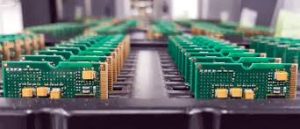
What role do solder masks play in printed board assembly?
Another significant function of solder masks is to aid in the assembly process by improving the overall cleanliness of the PCB. During the soldering process, flux residues can remain on the board, potentially causing long-term reliability issues. Solder masks help contain these residues, making them easier to clean and reducing the likelihood of contamination. This cleanliness is essential for ensuring the long-term stability and performance of the electronic circuits.
Thermal management is another area where solder masks contribute significantly. Modern electronic devices often contain components that generate substantial amounts of heat. Efficient thermal management is crucial to prevent overheating, which can lead to component failure or reduced lifespan. Solder masks, particularly those with thermally conductive properties, help in dissipating heat away from critical components, thereby enhancing the thermal performance of the PCB.
In addition to their protective and functional roles, solder masks also aid in the visual inspection and testing of PCBs. The distinct color of the solder mask contrasts with the exposed copper pads and traces, making it easier to identify defects and irregularities during inspection. This visual clarity is invaluable in quality control processes, ensuring that only boards meeting stringent standards proceed to the next stages of assembly and deployment.
Solder masks also contribute to the overall mechanical robustness of the PCB. The additional layer of protection helps reinforce the board, reducing the risk of mechanical damage during handling and assembly. This reinforcement is particularly beneficial in applications where the PCB may be subjected to physical stress or vibration.
In conclusion, solder masks play a multifaceted role in printed board assembly, extending from protecting against solder bridging and environmental damage to enhancing thermal management and mechanical strength. Their contribution to the manufacturability, reliability, and longevity of PCBs is indispensable, making them a cornerstone in the production of modern electronic devices. As technology advances and PCBs become more complex, the importance of solder masks in ensuring the performance and durability of electronic assemblies will only continue to grow.


