
Governance, Risk and Compliance Important for Organizations
Governance, risk and compliance (GRC) is a strategy that aligns an organization’s governance, risk management and compliance endeavors with its strategic goals and business objectives. With increasing market globalization, technology changes and increased regulation, GRC has become an important topic for organizations to address. Traditionally, these activities were handled by different teams in an uncoordinated manner, leading to inefficiencies and missed opportunities. With the emergence of new technologies such as artificial intelligence (AI) and machine learning, GRC can now be managed using predictive analytics and automation tools.
The governance component of GRC refers to the structure and processes that govern a company, including decision-making, accountability, and communication. The risk management element of GRC focuses on identifying, assessing and mitigating threats to an organization’s objectives. Finally, the compliance aspect of GRC ensures an organization adheres to all relevant laws, regulations and internal policies.
Traditionally, businesses separated grc governance risk compliance into distinct departments. For example, the legal department would manage compliance, while the finance and operations departments might handle risks. But, with increased market globalization and changing technologies, companies need to adopt a more integrated approach that encompasses all three areas of GRC. A disorganized approach to governance, risk and compliance can lead to costly mistakes such as legal fines, tarnished reputation and operational inefficiencies.
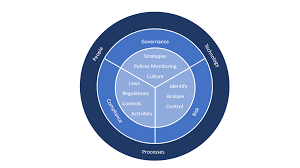
Why is Governance, Risk and Compliance Important for Organizations?
Organizations must sustain an ever-increasing number of governance, risk and compliance-related requirements due to technology changes, growing data storage, market globalization and more. Managing these requirements is complicated, and a siloed approach can cause inefficiencies and duplication of efforts. GRC software solutions streamline and automate these processes, enabling companies to better manage these complexities and remain compliant.
One key benefit of grc governance risk compliance is that it enables companies to identify potential threats and take proactive measures to avoid them. This can help minimize the impact of potential threats and protect a company’s reputation and financial security. Moreover, GRC can help reduce costs and improve operational efficiency by eliminating manual and repetitive tasks.
Another major benefit of governance, risk and compliance is that it helps to promote a strong ethical culture within the organization. This includes ensuring that the organization follows all legal and regulatory obligations, as well as maintaining transparency in financial reporting. It also involves promoting a collaborative environment between stakeholders and encouraging informed decision-making.
The GRC process must include clear policies and procedures, ongoing training, monitoring and reporting. Additionally, employees must be aware of any internal or external rules and regulations that apply to them. The most effective way to achieve this is through ongoing, targeted training, and by providing employees with access to GRC resources on a regular basis. This will increase employee engagement and help them feel confident in their ability to perform their job duties properly. This will ultimately improve the overall quality of work. Integrated GRC software can make this easier by centralizing data and facilitating reporting across all aspects of an organization’s GRC processes. This can help reduce the burden on individual departments and enable them to focus on their core functions.
